Why More Women Are Choosing Non-GMO Women's Supplements for Daily Wellness
I remember standing in the supplement aisle about five years ago, staring at rows of bottles that all promised better sleep, balanced hormones, and a clearer head by morning. The labels were crowded with claims I could not verify and ingredients I could not pronounce. I walked out empty-handed, not because I didn't need help, but because I had no way to judge what was actually good for me. That moment started a longer conversation with myself about what I put into my body, and eventually led me to look closely at what "non-GMO women's supplements" really means for someone navigating perimenopause, sleep trouble, and the general wear and tear of a busy life.
Over the years I have learned that there is a big difference between a supplement that simply fills a gap and one that works with your body's own signals. For women in particular, the choices we make about supplements can affect everything from how we sleep to how we handle stress and how comfortable we feel in our own skin during hormonal shifts. That is why I started paying attention to certifications like USDA Organic and the Non-GMO Project seal. They are not just marketing badges. They represent a level of care in sourcing and production that matters when you are taking something every day.
What Non-GMO Means in Practice
Non-GMO means the ingredients were not genetically modified in a lab. But it also often signals that the company behind the product values transparency and clean sourcing. When I look at a bottle of vegan supplements, I want to know that the plant sources were grown without synthetic interference and that the final product is free from common allergens and artificial fillers. The Non-GMO Project verification gives me a baseline of trust. It does not guarantee that a product is organic, but it does mean the supply chain has been audited for GMO avoidance, which is a step that many mass-market brands skip.
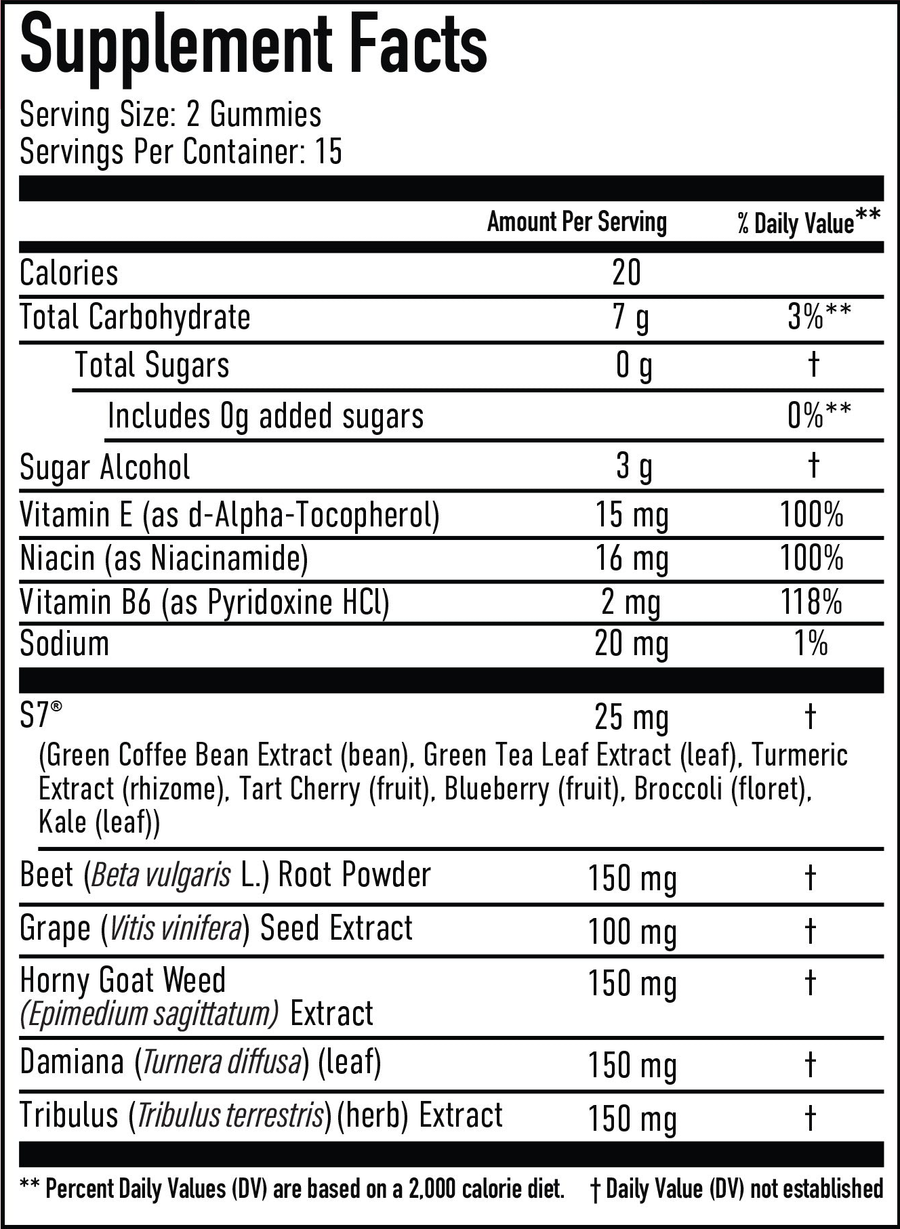
For women dealing with intimate health concerns, menopause relief, or sleep support, this level of scrutiny matters. Our bodies are already working hard to maintain estrogen balance and manage cortisol spikes. Adding synthetic residues or genetically modified carriers to the mix is not helpful. I have found that clean, non-GMO ingredients tend to absorb better and cause fewer digestive upsets, which is something I personally noticed when I switched to a line of supplements that carried both the USDA Organic and Non-GMO Project seals.
The Role of Probiotics and Prebiotics in Women's Health
Gut health is foundational, especially for women. The microbiome influences estrogen metabolism, immune function, and even mood. That is why I look for supplements that include probiotics and prebiotics in their formulas. These friendly bacteria and their food sources help maintain a healthy vaginal flora and support digestion overall. When combined with non-GMO women's supplements, you get a product that respects both the microbial and the human side of health.
I have tried several probiotic blends over the years. The ones that worked best for me were packaged with prebiotic fibers that feed the good bacteria without causing bloating. Those same products also happened to be from brands that prioritize hormone-free formulations and avoid synthetic binders. It is not a coincidence. Companies that care about one aspect of clean sourcing usually care about the whole picture.
Navigating Menopause and Sleep Support Naturally
Menopause is not a disease, but the symptoms can feel overwhelming. Hot flashes, vaginal dryness, and disrupted sleep are common complaints that often lead women to try synthetic hormone therapy. While that works for some, many of us prefer a more gentle approach. That is where adaptogens and specific minerals come in. Ashwagandha, for example, is an herb that helps lower cortisol levels, which can reduce stress and improve sleep quality. I have used it during particularly high-stress months and noticed a real difference in how easily I fell asleep.
Another ingredient that has been a game-changer for me is magnesium glycinate. Unlike cheaper magnesium forms that can cause loose stools, magnesium glycinate is gentle on the stomach and highly absorbable. It supports muscle relaxation, nerve function, and deeper sleep. I take it about thirty minutes before bed and it helps me stay asleep through the night, something that became harder once I entered perimenopause.
For hormonal balance specifically, I have seen good results with chasteberry, an herb traditionally used to support progesterone levels and ease the transition through menopause. When combined with other clean ingredients, it can help reduce hot flashes and support estrogen balance without introducing synthetic hormones. The key is to find a product that uses high-quality, non-GMO sources for these botanicals, because the potency of adaptogens depends heavily on how they were grown and processed.
Why Brand and Formulation Matter
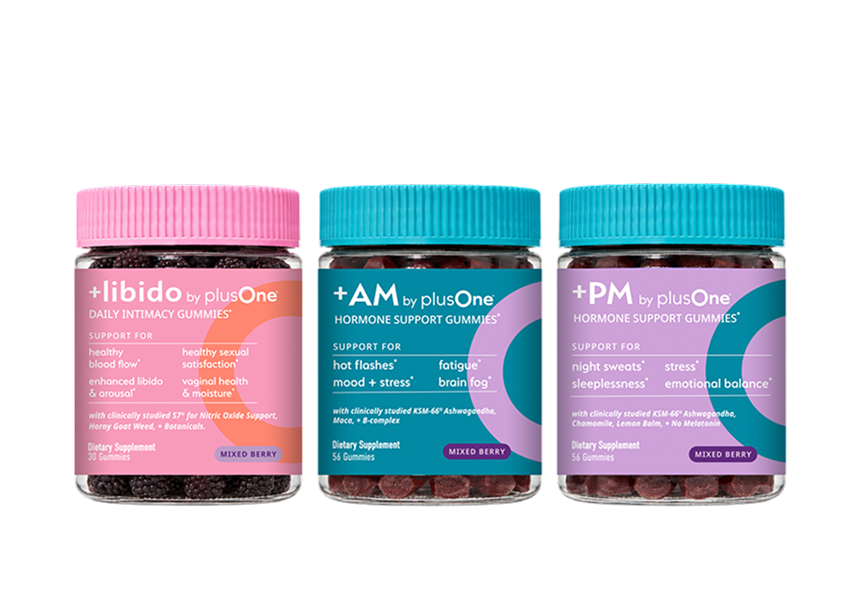
Not all supplements are created equal, even when they carry the same certifications. I have learned to look at the whole formulation, not just the label. A brand like Myplusone, for instance, focuses on non-hormonal, vegan, and allergy-free daily supplements designed specifically for women's intimate health, sleep, and menopause symptoms. Their approach aligns with what I have come to value: clean ingredients that respect the body's own intelligence. Dr. Anna Cabeca, a well-known expert in women's hormonal health, has also emphasized the importance of using whole-food-derived nutrients and avoiding synthetic additives. Her work has influenced how I evaluate supplement quality.
One product line that has stood out to me is VitaFem. Their formulations include targeted nutrients for different stages of a woman's life, and they prioritize non-GMO sourcing. When I looked at their ingredient list, I saw magnesium glycinate, ashwagandha, and chasteberry all in one place, which made sense for someone like me who wanted a streamlined routine. The fact that they also included probiotics and prebiotics in their sleep and hormone formulas told me they understood the connection between gut health and hormonal health.
Practical Advice for Choosing Your Own Supplements
If you are new to the world of non-GMO women's supplements, here is what I suggest:
- Look for the Non-GMO Project seal and USDA Organic certification on the bottle. These are independent verifications, not just marketing claims.
- Check the ingredient list for common allergens like gluten, soy, and dairy, especially if you have sensitivities. Many clean brands avoid these altogether.
- Consider the form of the supplement. Powders and capsules can have different carriers. Magnesium glycinate in capsule form is convenient, but some people prefer powders they can mix into water.
- Read reviews from women in a similar life stage. What works for a twenty-five-year-old athlete may not work for someone in perimenopause.
I also recommend starting with one product at a time. Our bodies are complex, and introducing multiple new ingredients at once makes it hard to know what is helping and what is not. Give each supplement at least two to four weeks before adding another.
Balancing Expectations with Reality
No supplement is a magic bullet. I have tried products that claimed to eliminate hot flashes completely, and they did not. What they did do was reduce the frequency and intensity enough that I could sleep through the night. That is a win in my book. The goal is not perfection, it is improvement. Non-GMO women's supplements that include a thoughtful blend of adaptogens, minerals, and probiotics can support your body's natural rhythms without overriding them.
I have also learned that consistency matters more than potency. Taking a moderate dose of ashwagandha every day is more effective than a high dose once a week. The same goes for magnesium glycinate and chasteberry. Build a routine that you can stick with, and pay attention to how your body responds. If a supplement causes bloating, brain fog, or digestive discomfort, it is probably not the right fit, even if it is clean and non-GMO.
Final Thoughts on Clean Supplementation
Choosing non-GMO women's supplements is a personal decision that comes down to how much you trust the source of what you consume. For me, the extra effort of reading labels and researching brands has paid off in better sleep, fewer hot flashes, and a general sense that I am supporting my body rather than fighting it. I still have nights where I wake up at 3 a.m., and I still get the occasional hot flash on a stressful day. But the difference is that now I have tools that help me cope without adding to the problem.
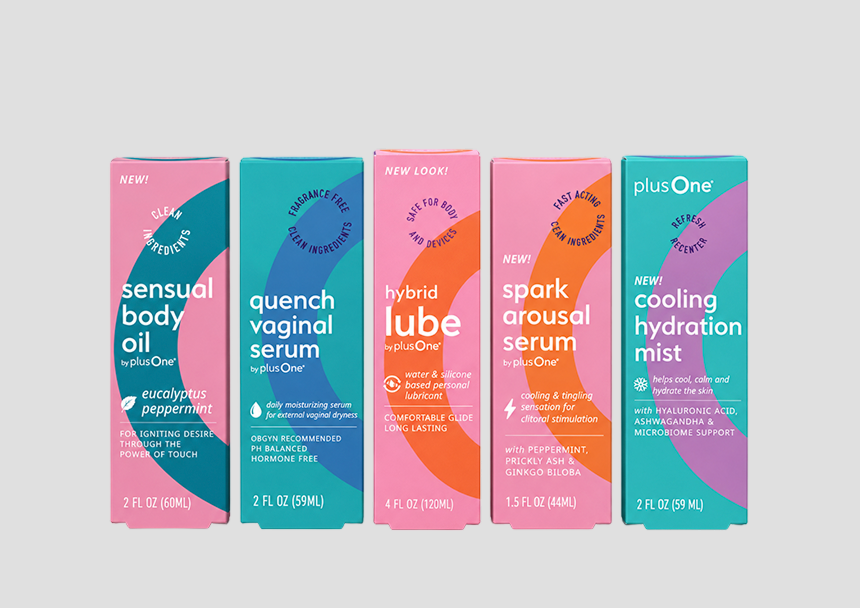
If you are considering making the switch, start with one area that bothers you most, whether it is sleep, hormonal balance, or intimate health. Find a product from a trusted brand like Myplusone or VitaFem that uses clean, non-GMO ingredients, and give it a real try. Your body will let you know if it is working.